
Rodent Proofing an Attic in St. Charles, MO

Rodent Proofing an Attic in St. Charles, MO

A few chewed wires or faint scratching overhead can quickly become more than an annoyance. Rodent proofing attic St. Charles homes requires more than setting traps because mice, rats, and squirrels can contaminate insulation, create air leaks, damage wiring, and leave behind odors that travel into living spaces. The lasting solution is to identify how animals are getting in, remove the problem safely, seal the structure correctly, and address any insulation damage left behind.

For homeowners, the goal is not simply to make the attic look better. It is to restore a clean, insulated, properly sealed space that supports lower energy use and healthier indoor conditions.

Why rodents are drawn to St. Charles attics

Attics offer rodents the three things they seek most: shelter, warmth, and nesting material. As temperatures cool, a small exterior opening near the roofline, siding, utility penetration, or soffit can become an easy route into the home. Once inside, rodents often use existing insulation to build nests and may travel along ducts, framing, and wall cavities.

Mice can enter gaps as small as a dime. Rats and squirrels need more room, but they are capable chewers and can enlarge weak areas around vents, fascia boards, roof edges, and damaged screens. Older homes are often more vulnerable because small construction gaps, settling, and aging exterior materials create multiple possible entry points.

The trouble is that attic activity is not always obvious. Homeowners may notice tapping or scurrying sounds at night, unusual odors, droppings near access points, or a sudden cold room below the attic. In some cases, higher heating and cooling bills are the first clue that disturbed insulation and air leakage are reducing the home’s thermal performance.

What rodent damage can do to insulation and comfort

Insulation works by holding countless pockets of air that slow heat transfer. When rodents tunnel through it, compress it for nests, or soak it with urine, its performance can drop. Even a thick layer of insulation may no longer provide the coverage or R-value the home needs if it is matted, scattered, or contaminated.

Rodents can also pull apart duct insulation, chew electrical wiring, damage vapor barriers, and disturb attic ventilation components. These issues affect different homes in different ways. A small, isolated mouse problem may only require limited cleanup and targeted repairs. A long-term infestation across a large attic may call for professional removal and disposal of affected insulation before air sealing and reinsulation can be completed.

There is also a sanitation concern. Droppings, urine, nesting materials, and deceased animals should be handled carefully. Sweeping or vacuuming contaminated material without the right protective procedures can stir particles into the air. Professional remediation helps homeowners avoid spreading debris through the attic or into the home.

Signs it is time for rodent proofing an attic in St. Charles

A visible rodent does not have to be present for there to be a problem. Fresh droppings, gnaw marks, nesting material, greasy rub marks along attic pathways, and damaged insulation are all signs that an inspection is warranted. You may also hear activity in the ceiling or walls, especially after dark.

Outside, look for damaged vent covers, loose soffits, gaps around pipe or cable penetrations, chewed trim, and openings where rooflines meet. Tree limbs touching or hanging close to the roof can give squirrels and other animals a convenient route to vulnerable areas.

Odor is another meaningful warning sign. A stale, ammonia-like smell near an attic hatch or upper-level closet can indicate contaminated insulation. If a room is suddenly harder to heat or cool, the problem may be related to an air leak, displaced insulation, or both.

Effective rodent proofing starts with a full inspection

A dependable plan begins with finding the cause, not just treating the symptom. An attic inspection should assess current activity, likely entry points, insulation condition, ventilation, moisture concerns, and air leakage. This whole-home view matters because rodent access and energy loss often overlap at the same gaps.

For example, an unsealed plumbing penetration may allow warm indoor air to escape into the attic while also giving mice a route into wall cavities. A damaged roof vent screen can invite animals inside and affect attic airflow. Sealing only one visible hole may not solve the issue if several other pathways remain open.

A professional inspection also helps determine whether animals are still inside before exclusion work begins. Sealing an active animal into an attic can lead to new damage as it searches for a way out. The proper approach depends on the species, the location of activity, and the condition of the home.

The right order of attic rodent remediation

Rodent control, exclusion, sanitation, and insulation work need to happen in the right sequence. Rushing directly to new insulation without addressing entry points can leave the home exposed to another infestation.

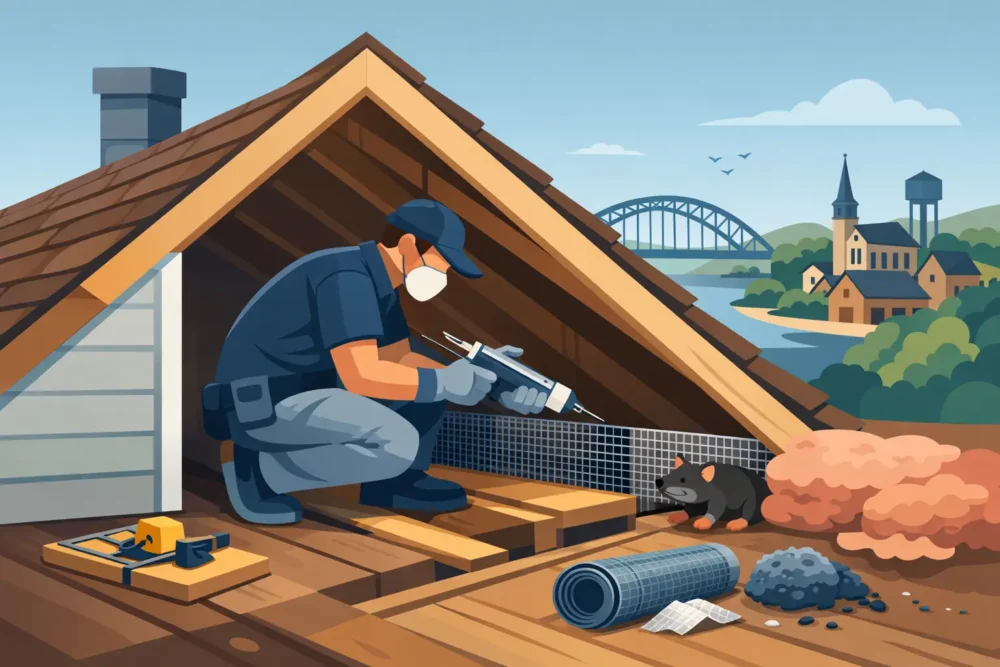
First, current activity must be evaluated and addressed. Next, accessible entry points should be sealed with durable materials appropriate for the opening and location. Metal flashing, hardware cloth, properly fitted vent covers, and structural repairs are often more reliable than foam alone in areas rodents can chew.

After the attic is secured, contaminated nesting material and damaged insulation can be removed when needed. The space can then be cleaned and sanitized using methods suited to the level of contamination. Finally, attic air sealing and insulation installation restore the thermal boundary that keeps conditioned air where it belongs.

This sequence is especially valuable for homeowners who have noticed both rodent evidence and high utility bills. It prevents new insulation from being installed over hidden contamination and gives air sealing work a clean surface to address common leakage points around top plates, wiring holes, plumbing vents, and attic hatches.

Why DIY fixes sometimes fall short

A homeowner can often handle basic prevention, such as keeping vegetation trimmed away from the roof, securing food and trash outdoors, and replacing a clearly damaged vent screen. Those steps are worthwhile, but they may not reveal the full extent of attic damage or every entry route.

Traps can reduce activity, yet they do not repair the gap that allowed rodents in. Expanding foam can help seal small air leaks when used correctly, but it is not a stand-alone rodent barrier in exposed locations. Likewise, deodorizing products may mask odors temporarily without removing contaminated insulation or nesting materials.

DIY work may make sense for a minor, confirmed issue in an accessible area. It is less suitable when there are droppings throughout the attic, damaged wiring, strong odors, wet insulation, repeated activity, or uncertainty about what animal is present. In those cases, an experienced contractor can help prevent a short-term fix from becoming a recurring problem.

Restoring the attic after rodent proofing

Once the attic is clean and sealed, insulation should be evaluated for depth, consistency, and condition. In Missouri, an underinsulated attic can contribute to uncomfortable upstairs rooms, uneven temperatures, and unnecessary heating and cooling costs. Rodent damage makes those performance issues worse by creating gaps and compressed areas.

The best insulation recommendation depends on the existing material, the attic layout, the extent of contamination, and the home’s current R-value. Some homes only need localized repairs and additional insulation. Others benefit from removal of damaged material, comprehensive air sealing, and new insulation installed to provide even coverage.

Better Home Insulation approaches these projects as connected home-performance work. Rodent proofing, insulation removal, attic air sealing, sanitizing, ventilation improvements, and new insulation can be coordinated around the actual condition of the home instead of treated as unrelated services. That helps protect the investment and supports comfort long after the immediate pest issue is gone.

A cleaner attic is a better-performing home

If you suspect rodents in your attic, avoid waiting for damage to become visible in the rooms below. A free inspection and clear estimate can identify where animals are entering, whether insulation has been affected, and which repairs will make the most practical difference. With the attic properly secured, cleaned, sealed, and insulated, your home can feel more comfortable and protected in every season.

Rodent Proofing an Attic in St. Charles, MO

Rodent Proofing an Attic in St. Charles, MO

A few chewed wires or faint scratching overhead can quickly become more than an annoyance. Rodent proofing attic St. Charles homes requires more than setting traps because mice, rats, and squirrels can contaminate insulation, create air leaks, damage wiring, and leave behind odors that travel into living spaces. The lasting solution is to identify how animals are getting in, remove the problem safely, seal the structure correctly, and address any insulation damage left behind.

For homeowners, the goal is not simply to make the attic look better. It is to restore a clean, insulated, properly sealed space that supports lower energy use and healthier indoor conditions.

Why rodents are drawn to St. Charles attics

Attics offer rodents the three things they seek most: shelter, warmth, and nesting material. As temperatures cool, a small exterior opening near the roofline, siding, utility penetration, or soffit can become an easy route into the home. Once inside, rodents often use existing insulation to build nests and may travel along ducts, framing, and wall cavities.

Mice can enter gaps as small as a dime. Rats and squirrels need more room, but they are capable chewers and can enlarge weak areas around vents, fascia boards, roof edges, and damaged screens. Older homes are often more vulnerable because small construction gaps, settling, and aging exterior materials create multiple possible entry points.

The trouble is that attic activity is not always obvious. Homeowners may notice tapping or scurrying sounds at night, unusual odors, droppings near access points, or a sudden cold room below the attic. In some cases, higher heating and cooling bills are the first clue that disturbed insulation and air leakage are reducing the home’s thermal performance.

What rodent damage can do to insulation and comfort

Insulation works by holding countless pockets of air that slow heat transfer. When rodents tunnel through it, compress it for nests, or soak it with urine, its performance can drop. Even a thick layer of insulation may no longer provide the coverage or R-value the home needs if it is matted, scattered, or contaminated.

Rodents can also pull apart duct insulation, chew electrical wiring, damage vapor barriers, and disturb attic ventilation components. These issues affect different homes in different ways. A small, isolated mouse problem may only require limited cleanup and targeted repairs. A long-term infestation across a large attic may call for professional removal and disposal of affected insulation before air sealing and reinsulation can be completed.

There is also a sanitation concern. Droppings, urine, nesting materials, and deceased animals should be handled carefully. Sweeping or vacuuming contaminated material without the right protective procedures can stir particles into the air. Professional remediation helps homeowners avoid spreading debris through the attic or into the home.

Signs it is time for rodent proofing an attic in St. Charles

A visible rodent does not have to be present for there to be a problem. Fresh droppings, gnaw marks, nesting material, greasy rub marks along attic pathways, and damaged insulation are all signs that an inspection is warranted. You may also hear activity in the ceiling or walls, especially after dark.

Outside, look for damaged vent covers, loose soffits, gaps around pipe or cable penetrations, chewed trim, and openings where rooflines meet. Tree limbs touching or hanging close to the roof can give squirrels and other animals a convenient route to vulnerable areas.

Odor is another meaningful warning sign. A stale, ammonia-like smell near an attic hatch or upper-level closet can indicate contaminated insulation. If a room is suddenly harder to heat or cool, the problem may be related to an air leak, displaced insulation, or both.

Effective rodent proofing starts with a full inspection

A dependable plan begins with finding the cause, not just treating the symptom. An attic inspection should assess current activity, likely entry points, insulation condition, ventilation, moisture concerns, and air leakage. This whole-home view matters because rodent access and energy loss often overlap at the same gaps.

For example, an unsealed plumbing penetration may allow warm indoor air to escape into the attic while also giving mice a route into wall cavities. A damaged roof vent screen can invite animals inside and affect attic airflow. Sealing only one visible hole may not solve the issue if several other pathways remain open.

A professional inspection also helps determine whether animals are still inside before exclusion work begins. Sealing an active animal into an attic can lead to new damage as it searches for a way out. The proper approach depends on the species, the location of activity, and the condition of the home.

The right order of attic rodent remediation

Rodent control, exclusion, sanitation, and insulation work need to happen in the right sequence. Rushing directly to new insulation without addressing entry points can leave the home exposed to another infestation.

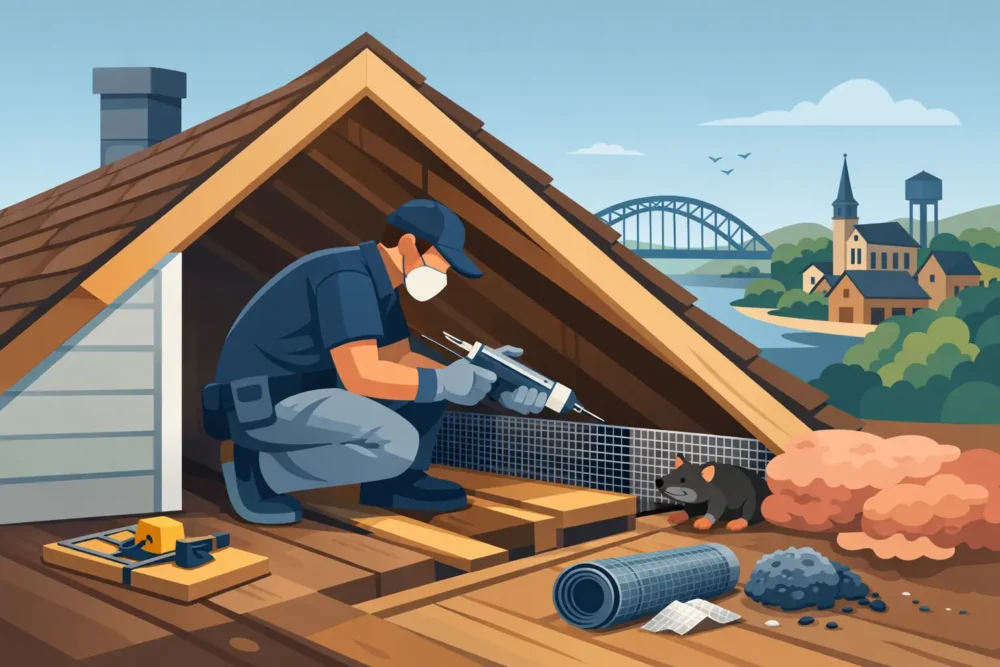
First, current activity must be evaluated and addressed. Next, accessible entry points should be sealed with durable materials appropriate for the opening and location. Metal flashing, hardware cloth, properly fitted vent covers, and structural repairs are often more reliable than foam alone in areas rodents can chew.

After the attic is secured, contaminated nesting material and damaged insulation can be removed when needed. The space can then be cleaned and sanitized using methods suited to the level of contamination. Finally, attic air sealing and insulation installation restore the thermal boundary that keeps conditioned air where it belongs.

This sequence is especially valuable for homeowners who have noticed both rodent evidence and high utility bills. It prevents new insulation from being installed over hidden contamination and gives air sealing work a clean surface to address common leakage points around top plates, wiring holes, plumbing vents, and attic hatches.

Why DIY fixes sometimes fall short

A homeowner can often handle basic prevention, such as keeping vegetation trimmed away from the roof, securing food and trash outdoors, and replacing a clearly damaged vent screen. Those steps are worthwhile, but they may not reveal the full extent of attic damage or every entry route.

Traps can reduce activity, yet they do not repair the gap that allowed rodents in. Expanding foam can help seal small air leaks when used correctly, but it is not a stand-alone rodent barrier in exposed locations. Likewise, deodorizing products may mask odors temporarily without removing contaminated insulation or nesting materials.

DIY work may make sense for a minor, confirmed issue in an accessible area. It is less suitable when there are droppings throughout the attic, damaged wiring, strong odors, wet insulation, repeated activity, or uncertainty about what animal is present. In those cases, an experienced contractor can help prevent a short-term fix from becoming a recurring problem.

Restoring the attic after rodent proofing

Once the attic is clean and sealed, insulation should be evaluated for depth, consistency, and condition. In Missouri, an underinsulated attic can contribute to uncomfortable upstairs rooms, uneven temperatures, and unnecessary heating and cooling costs. Rodent damage makes those performance issues worse by creating gaps and compressed areas.

The best insulation recommendation depends on the existing material, the attic layout, the extent of contamination, and the home’s current R-value. Some homes only need localized repairs and additional insulation. Others benefit from removal of damaged material, comprehensive air sealing, and new insulation installed to provide even coverage.

Better Home Insulation approaches these projects as connected home-performance work. Rodent proofing, insulation removal, attic air sealing, sanitizing, ventilation improvements, and new insulation can be coordinated around the actual condition of the home instead of treated as unrelated services. That helps protect the investment and supports comfort long after the immediate pest issue is gone.

A cleaner attic is a better-performing home

If you suspect rodents in your attic, avoid waiting for damage to become visible in the rooms below. A free inspection and clear estimate can identify where animals are entering, whether insulation has been affected, and which repairs will make the most practical difference. With the attic properly secured, cleaned, sealed, and insulated, your home can feel more comfortable and protected in every season.