
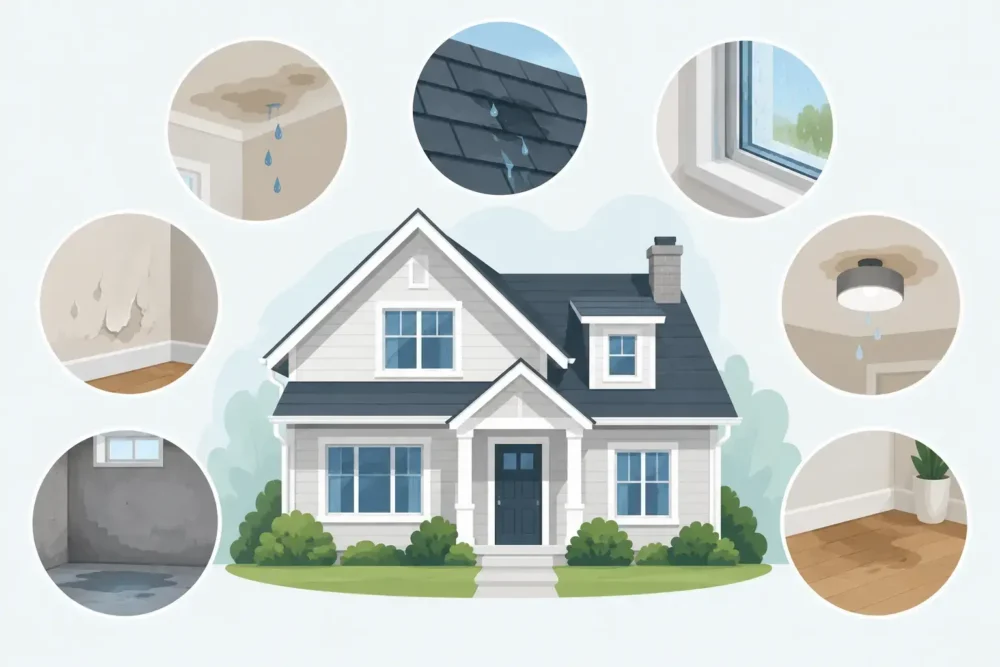
A home can look well maintained from the curb and still waste conditioned air through dozens of small gaps. Recognizing home envelope leak symptoms early can help you avoid uncomfortable rooms, unnecessary heating and cooling costs, moisture damage, and poor indoor air quality. The home envelope is the boundary between your living space and the outdoors – including the attic, walls, windows, doors, floors, crawl space, insulation, and the many openings around pipes, wires, and vents.
Small leaks rarely stay small in their effect. During a Missouri winter, warm indoor air can escape into a cold attic or wall cavity. In summer, hot and humid outside air can work its way indoors. The result may be a home that feels difficult to heat or cool, even when your HVAC system is running as it should.
9 Home Envelope Leak Symptoms Homeowners Should Notice
1. Certain rooms are always too hot or too cold
A bonus room over the garage, an upstairs bedroom, or a room with several exterior walls is often the first place homeowners notice a problem. If a room stays cold in winter or overheats in summer while the thermostat is set correctly, air leakage and inadequate insulation may be part of the cause.
This does not automatically mean the room needs more insulation. Ductwork problems, undersized HVAC equipment, window performance, and sun exposure can also affect temperatures. A proper inspection helps identify whether the issue is primarily air sealing, insulation, ventilation, or a combination of factors.
2. You feel drafts near windows, doors, or outlets
A noticeable draft is one of the clearest signs that outside air is entering or conditioned air is leaving. Check around exterior doors, window frames, attic hatches, recessed lights, baseboards, and electrical outlets on exterior walls. On a windy day, even a small opening can be easy to feel with your hand.
Weatherstripping may solve a simple door seal issue. However, drafts that appear along floors, ceilings, or multiple exterior walls often point to larger gaps in the attic, crawl space, rim joist, or wall system. Sealing only the visible opening may not correct the full path of air movement.
3. Heating and cooling bills rise without a clear reason
Utility costs naturally change with weather and energy rates. But a steady increase in heating or cooling costs, especially when your household habits have not changed, deserves attention. Air leaks force your furnace or air conditioner to run longer to replace the air that escapes.
Older homes are especially likely to have gaps hidden beneath insulation or behind finished surfaces. Settled attic insulation, open penetrations around plumbing stacks, and poorly sealed duct chases are common sources of energy loss. A thermal imaging assessment can help reveal temperature differences that are not visible to the eye.
4. Your HVAC system runs frequently but comfort never improves
Long or frequent HVAC cycles are frustrating because they can feel like an equipment problem. Sometimes they are. But a system may also struggle because the home is leaking enough air that it cannot maintain stable indoor conditions.
Before replacing expensive equipment, it is wise to evaluate the house itself. Improving the envelope can reduce the load placed on heating and cooling equipment, which may improve comfort and help protect the system from unnecessary runtime. The right order of work depends on the home, but diagnosing leaks before making major HVAC decisions can prevent wasted spending.
5. Attic insulation looks dirty, uneven, or compressed
Insulation does not always need to look brand-new to work well. Still, dark streaks, uneven coverage, flattened areas, and visible gaps can be warning signs. Dusty or dark insulation often indicates that air has been moving through it, carrying airborne particles from the living space or outdoors.
Insulation slows heat transfer, but it does not stop airflow on its own. If air is moving through open gaps below or around the insulation, adding another layer without sealing those openings can leave the underlying problem in place. In some cases, damaged or contaminated insulation needs removal before air sealing and replacement can be completed properly.
6. You find condensation, stains, or musty odors
Moisture is a major concern because air leakage can carry water vapor into places where it condenses on cold surfaces. Water stains near ceilings, damp attic sheathing, peeling paint, or a musty smell can all signal a moisture issue. The source may be a roof leak, plumbing leak, condensation, crawl space humidity, or air movement through the envelope.
These causes require different repairs, which is why guesswork can be costly. For example, attic condensation may be related to warm indoor air leaking through ceiling penetrations, insufficient attic ventilation, or both. A professional inspection can separate a true roof leak from a home-performance issue and help prevent repeat damage.
7. Floors feel cold or the crawl space feels damp
Cold floors are common above uninsulated crawl spaces, garages, and cantilevered sections of a home. If the crawl space is damp, has a musty odor, or shows signs of standing water, the issue can affect comfort throughout the first floor.
Crawl space insulation and vapor barriers serve different purposes. Insulation helps limit heat loss, while a vapor barrier helps control moisture coming from the ground. Air sealing, drainage improvements, pest exclusion, and ventilation strategy may also be needed. The best approach depends on whether the crawl space is vented, how moisture enters, and the condition of existing materials.
8. Dust, pollen, or outdoor odors seem to enter easily
A leaky home envelope can pull unfiltered outdoor air into the house through gaps in the attic, crawl space, wall cavities, and around penetrations. Homeowners may notice more dust collecting near registers, stronger outdoor odors, or increased discomfort during high-pollen periods.
Air leakage is not the same as planned ventilation. A properly designed ventilation solution brings in fresh air in a controlled way. Random leaks bring air in wherever pressure differences allow, often through dusty, humid, or contaminated spaces. Sealing those unintended pathways can support cleaner, more predictable indoor conditions.
9. Rodents or insects are getting into the attic or crawl space
Pests do not need a large opening to enter a home. Gaps near utility lines, damaged vents, open soffits, and foundation penetrations can provide access to attics, walls, and crawl spaces. Once inside, rodents can damage insulation, leave droppings, chew wiring, and create sanitation concerns.
Rodent proofing is most effective when it addresses entry points rather than only removing the animals or replacing damaged insulation. If insulation has been contaminated, removal, cleaning, and disinfecting may be appropriate before new insulation is installed. This restores the thermal performance of the area while addressing a health and cleanliness concern.
How a Home Envelope Inspection Finds the Real Cause
Home envelope problems are often connected. An attic bypass can contribute to heat loss, dust movement, moisture risk, and high utility bills at the same time. A crawl space issue can make floors cold, raise indoor humidity, and attract pests. Looking at one symptom in isolation can lead to a partial repair.
A thorough evaluation typically considers insulation coverage and condition, accessible air leaks, attic and crawl space moisture, ventilation, signs of pest activity, and temperature patterns. Thermal imaging can be especially helpful when conditions are right, since it can show unusual temperature differences around ceilings, walls, and openings. It is a diagnostic tool, not a standalone answer, and should be interpreted alongside a physical inspection.
The solution may be as straightforward as air sealing attic penetrations and topping up insulation. Other homes need a more complete plan that includes insulation removal, crawl space vapor barrier work, ventilation improvements, or rodent cleanup. The goal is not to sell every possible service. It is to correct the specific conditions that are making the home less comfortable, less efficient, or less healthy.
When to Schedule Professional Help
Schedule an inspection when you have persistent drafts, inconsistent room temperatures, unexplained energy costs, attic staining, crawl space dampness, or damaged insulation. It is also smart to inspect before a major renovation, HVAC replacement, or attic insulation upgrade. Finding hidden leaks first helps ensure that new materials and equipment perform as intended.
For homeowners in the St. Louis area, seasonal temperature swings can make envelope weaknesses especially noticeable. Better Home Insulation provides free inspections and estimates to help homeowners understand what is happening behind the walls, above the ceiling, and below the floor. Licensed and insured technicians can recommend practical work based on your home’s condition, from air sealing and insulation to moisture control and sanitation.
If your home is giving you more than one of these warning signs, trust the pattern. A careful inspection can turn a frustrating comfort problem into a clear, manageable plan for a cleaner, more efficient home.