
If one room in your house is always colder in winter or harder to cool in summer, the problem may not be your HVAC system at all. In many cases, wall insulation for existing homes is the missing piece. Older homes, remodeled homes, and even some newer homes can have underinsulated wall cavities, gaps around penetrations, or insulation that has settled and stopped doing its job.
That matters because walls make up a large part of your home envelope. When they are poorly insulated, conditioned air escapes, outdoor temperatures push in, and your heating and cooling system has to work harder than it should. The result is familiar to many homeowners – uneven temperatures, higher utility bills, and a home that never feels quite as comfortable as it should.
Why wall insulation matters in an existing home
In new construction, insulation goes in before drywall. Existing homes are different. The challenge is improving performance without major demolition, and that is where proper inspection and installation methods matter.
Wall insulation does more than help with energy use. It can also reduce drafts, make exterior rooms feel more stable throughout the day, and limit some outside noise. In homes with hot west-facing walls or cold north-facing rooms, the difference can be noticeable quickly.
At the same time, insulation is not a one-size-fits-all fix. If a home has significant air leakage in the attic, moisture problems in the crawl space, or duct losses, adding insulation to walls alone may not solve everything. The best results usually come from looking at the house as a system and identifying where the biggest losses are actually happening.
Signs you may need wall insulation for existing homes
Some homeowners assume there is no way to know what is inside the walls without opening everything up. In reality, there are several clues that point to poor wall performance.
If certain rooms are consistently uncomfortable, especially along exterior walls, that is a common sign. Another is high heating and cooling costs without a clear equipment issue. Walls that feel cold to the touch in winter or warm in summer can also suggest missing or inadequate insulation.
Older homes are especially likely to have gaps. Some were built before modern insulation standards. Others may have partial insulation, damaged insulation, or material that has settled over time. Homes that have had plumbing or electrical updates can also end up with wall cavities that were opened and never fully restored from a thermal standpoint.
A professional inspection can help confirm what is happening. Thermal imaging and targeted evaluation often reveal where insulation is missing and whether the issue is truly in the walls or tied to a larger home performance problem.
The most common options for insulating existing walls
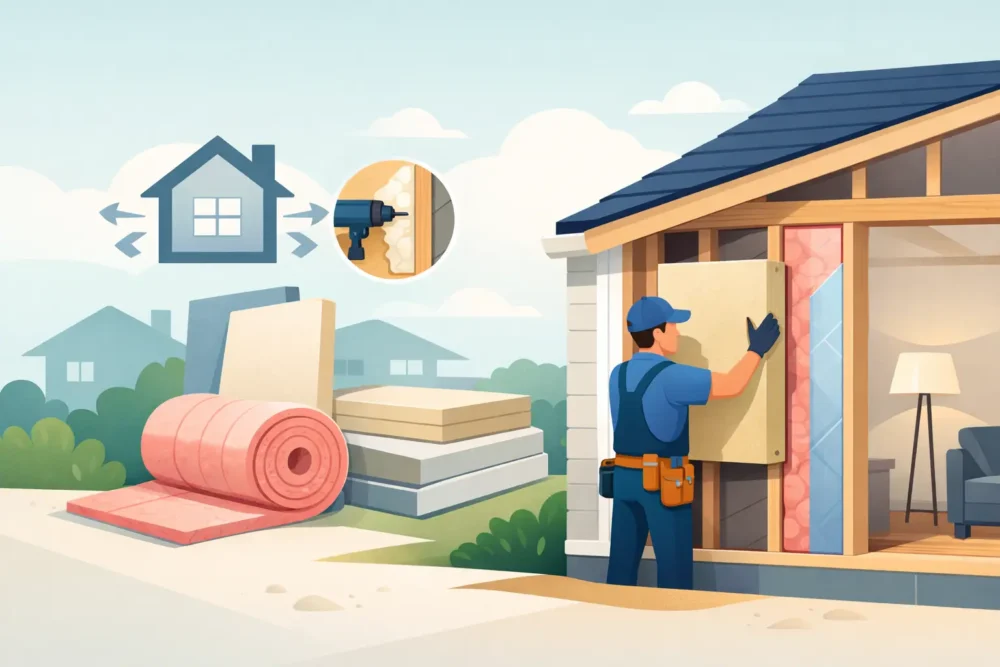
When homeowners ask about wall upgrades, they usually want to know whether the work will require tearing out drywall. In many cases, it does not. Dense-pack or blown-in insulation can often be installed through small access holes from the interior or exterior, depending on the home.
Blown-in fiberglass or cellulose
These are common choices for retrofitting wall cavities. The installer drills small holes between studs and fills the cavity with insulation designed to reduce empty space and improve thermal resistance.
Cellulose is often chosen for its ability to pack tightly into irregular spaces. Fiberglass can also perform well when installed correctly. The quality of the installation matters as much as the material. Gaps, underfilling, or poor access planning can leave weak spots behind.
Injection foam
In some homes, injection foam is used to fill enclosed wall cavities. It expands to fill space and can provide good coverage when conditions are right. It may be a good fit in certain wall assemblies, but it is not automatically the best answer for every house.
Foam can cost more than blown-in materials, and existing wall conditions matter. If there are moisture concerns, ventilation issues, or older materials in the wall assembly, those should be evaluated before recommending foam.
Interior or exterior wall access
Sometimes drywall removal is necessary, but usually only in targeted areas or during a remodel. Exterior access may be possible when siding allows for it. The right method depends on the home’s layout, finish materials, and overall project goals.
This is one reason inspection-led recommendations are so valuable. What works well in one house may create unnecessary repair work in another.
What wall insulation can and cannot fix
Good insulation helps slow heat transfer. It does not stop air leaks by itself, and that distinction matters.
If outside air is leaking through top plates, electrical penetrations, window gaps, attic bypasses, or crawl space openings, insulation alone may not deliver the comfort improvement you expect. A room can be insulated and still feel drafty if uncontrolled air movement is part of the problem.
Moisture is another issue that should never be ignored. If a wall has signs of water intrusion, mold risk, or persistent condensation, the source needs to be identified first. Covering a moisture problem with more insulation does not solve it.
That is why the most effective contractors do more than install material. They look at insulation, air sealing, ventilation, and any signs of contamination or damage before recommending the next step.
Cost depends on access, wall type, and the condition of the home
Homeowners naturally want a simple price range, but wall insulation projects vary a lot. The size of the home matters, of course, but so do the wall depth, the number of stories, the type of siding or interior finish, and whether there are obstacles like fire blocking or existing damaged material.
A house with easy access and standard wall cavities is usually more straightforward than a brick exterior home with complicated framing. If old insulation is contaminated by pests or moisture, remediation may be part of the scope as well.
That is why a free inspection and estimate are useful. They allow the contractor to identify not just the quantity of insulation needed, but whether the home would benefit more from a combination of services, such as attic air sealing, crawl space work, ventilation improvements, or sanitizing affected areas before new insulation goes in.
Why installation quality matters more than most homeowners realize
Insulation is not just a product you buy. It is a system that has to be installed correctly to perform the way it should.
A rushed wall insulation job can leave voids in the cavity, uneven density, or damage to finishes that could have been avoided with better planning. Worse, if the installer misses signs of rodent activity, moisture exposure, or hidden air leakage, the home may still have comfort and efficiency issues after the project is finished.
Professional installation should include a clear plan for access, proper fill techniques, cleanup, and an honest explanation of expected results. In many homes, the best outcome comes from combining wall insulation with diagnostics that show where the actual losses are happening.
For homeowners in the St. Louis area, that matters even more because the weather swings are real. Hot, humid summers and cold winter temperatures can expose weak points in the home envelope quickly. A house that struggles in both seasons often needs a targeted solution, not guesswork.
How to know when it is the right time to upgrade
If your energy bills keep climbing, certain rooms are uncomfortable year after year, or you are already planning other envelope improvements, this is a smart time to look at wall insulation. It also makes sense after discovering old, damaged, or contaminated insulation elsewhere in the home, since those findings often point to larger performance issues.
The right time is also when you want clearer answers. A good contractor should be able to inspect the home, explain what is happening in plain language, and recommend a solution based on your actual structure – not a sales script.
That is the approach homeowners tend to appreciate most. They want better comfort, lower heating and cooling costs, and work that is done carefully by licensed and insured professionals. They also want to know that if wall insulation is only part of the answer, someone will tell them that.
When wall insulation for existing homes is chosen and installed the right way, it can make a noticeable difference in comfort, efficiency, and everyday livability. If your house has been telling you something with drafts, hot spots, cold rooms, or stubborn utility bills, it may be worth listening and getting the walls checked properly.