
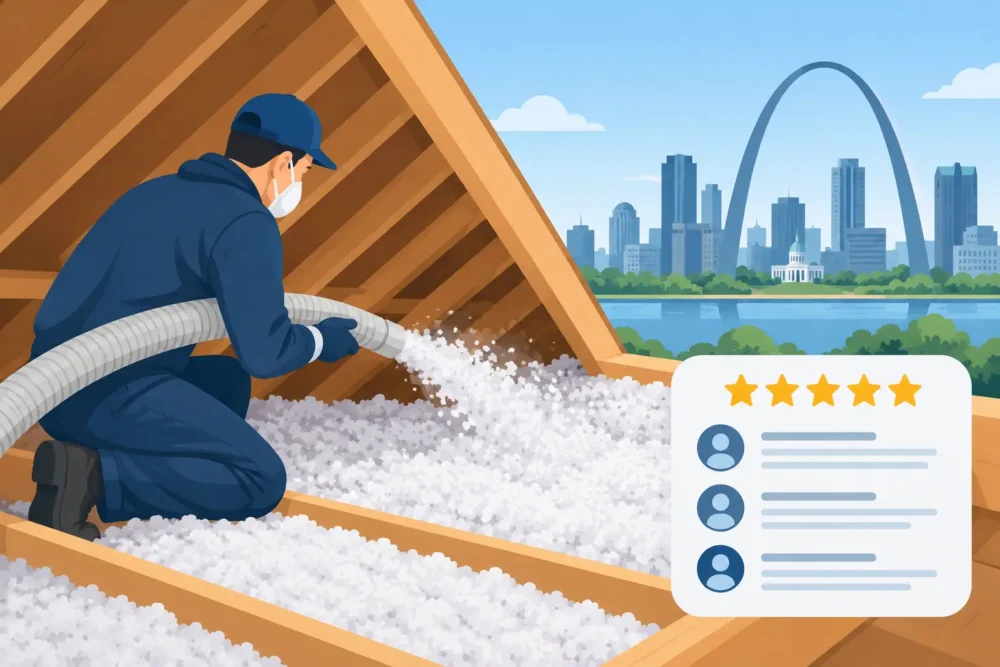
A cold upstairs bedroom, a furnace that seems to run nonstop, and utility bills that keep climbing can make blown insulation St Louis reviews feel like urgent reading. But ratings alone do not tell you whether a contractor will solve the real problem. The most useful reviews reveal how a company inspected the home, explained its recommendations, protected the property, and followed through after the work was complete.
For St. Louis-area homeowners, insulation decisions need to account for humid summers, cold winter swings, older housing, and attics that may contain air leaks, damaged material, or pest contamination. A good review helps you identify a contractor who sees the entire home performance picture, not just the number of bags installed.
What Blown Insulation St Louis Reviews Should Tell You
The best reviews are specific. They describe the homeowner’s original concern, the work performed, and the result. A comment such as “my upstairs is finally comfortable” is valuable. It becomes even more useful when paired with details such as attic air sealing, removal of old insulation, added ventilation, or a clear explanation of the recommended R-value.
Look for patterns across several reviews rather than placing too much weight on one glowing or negative comment. Consistent feedback about punctual arrival, respectful crews, clean job sites, and accurate estimates usually says more than a single star rating. Insulation work can be disruptive, especially when old material must be removed, so communication and care inside the home matter.
Reviews should also indicate whether the contractor listened before proposing a solution. A homeowner with a hot second floor may need more than additional attic insulation. Leaky recessed lights, open framing gaps, disconnected ductwork, inadequate ventilation, or insufficient insulation depth can all contribute to the same comfort complaint. Companies that inspect first are more likely to recommend work that fits the home.
Read Beyond the Star Rating
A five-star rating is encouraging, but the written review is where you learn whether the experience matches your priorities. If your attic has rodent activity or wet, matted insulation, search for feedback about removal, disposal, sanitizing, and odor control. If your concern is high cooling costs, pay attention to reviews that mention improved room temperatures, better HVAC performance, or lower energy use over time.
It is also reasonable to read critical reviews. No service company handles every job perfectly, and a review can show you how a company responds when a concern arises. A professional response should be timely, respectful, and focused on making the situation right. Defensive or vague replies may be a sign that communication will be difficult once work begins.
Be cautious with reviews that make sweeping promises. Insulation can improve comfort and reduce heating and cooling demand, but it cannot repair a failing furnace, solve every moisture issue, or guarantee a particular utility-bill reduction. Honest contractors explain expected benefits without claiming that one service is a cure for every home issue.
Details that point to quality workmanship
When comparing reviews, the strongest signs of a careful installation often show up in practical details. Homeowners may mention that the crew measured insulation depth, sealed gaps before blowing material, protected floors and furnishings, or cleaned the attic access area afterward. These comments suggest a process rather than a rushed installation.
You may also see references to a technician explaining insulation choices. Blown fiberglass and blown cellulose can both be effective when properly selected and installed. The right material depends on the attic configuration, target R-value, existing insulation, moisture conditions, and the home’s needs. A quality contractor should explain the recommendation in plain language instead of treating every attic the same.
Why Air Sealing Changes the Review Story
Many homeowners begin their search focused on insulation depth. Depth matters, but insulation is not designed to stop large air leaks. Warm indoor air can escape through gaps around plumbing penetrations, electrical openings, attic hatches, top plates, and other openings in the ceiling plane. During summer, hot attic air can also affect the rooms below.
That is why the most meaningful blown insulation reviews often mention air sealing. Sealing accessible leakage points before adding insulation helps the new material perform as intended. It can reduce drafts, limit the movement of humid air into the attic, and make temperatures from room to room more consistent.
This does not mean every attic needs the same scope of air sealing. Some homes have straightforward gaps that can be addressed during an insulation project. Others have complex conditions involving recessed fixtures, duct chases, ventilation concerns, or signs of moisture. An inspection should determine what is safe and worthwhile to seal.
Questions to Ask After Reading Reviews
Reviews can narrow your choices, but a direct conversation should confirm whether a contractor is right for your project. Ask whether the estimate includes an attic inspection, air-sealing recommendations, insulation depth or R-value targets, and cleanup. If old insulation is damaged or contaminated, ask how it will be removed, contained, disposed of, or recycled when eligible.
It is also smart to ask who will perform the work and whether the company is licensed and insured. A clear written estimate should distinguish between recommended services and optional improvements. For example, insulation removal, rodent proofing, vapor barriers, ventilation work, and sanitizing may be necessary in some homes but not others.
Ask how the crew protects the living space during the job. Blown insulation installation generally requires hoses and equipment moving through or near the home, while removal can involve additional containment. A contractor should be able to explain access, preparation, expected duration, and what the homeowner should do before the appointment.
Finally, ask what happens if you have questions after installation. A satisfaction guarantee has more value when the company is accessible and willing to review the completed work with you. Comfort improvements can sometimes be felt immediately, while energy-bill changes may take a full heating or cooling cycle to evaluate.
When Blown Insulation May Not Be the First Step
Blown insulation is an excellent option for many open attic floors because it can provide consistent coverage around framing and obstructions. Still, it is not always the first service a home needs. If the attic contains wet insulation, visible mold-like growth, active roof leaks, widespread rodent waste, or severely compressed material, those underlying issues deserve attention first.
Crawl spaces can also affect comfort and indoor air quality. A home with cold floors, musty odors, or moisture concerns may need crawl space insulation, a vapor barrier, or air-sealing work in addition to attic improvements. Similarly, persistent hot and cold spots may point to missing wall insulation, duct problems, or HVAC balancing issues.
This is where a whole-home perspective is valuable. Better Home Insulation approaches projects through inspection-led recommendations, helping homeowners understand whether blown insulation alone is appropriate or whether related work will protect the investment and produce a more noticeable result.
A Better Way to Choose an Insulation Contractor
Use reviews as a starting point, then judge each company by the quality of its inspection and estimate. The right contractor will not pressure you into the biggest possible job. They will identify the conditions in your attic or crawl space, explain the options, describe the trade-offs, and provide a practical path toward better comfort and efficiency.
For homeowners in St. Louis and nearby communities, that approach matters because homes vary widely in age, construction, attic access, and existing insulation. The goal is not simply to add material. It is to create a cleaner, better-sealed, properly insulated part of the home that supports lower heating and cooling demand.
A thoughtful review can point you in the right direction, but the clearest answer comes from a professional inspection and an estimate that makes sense for your home. When the recommendation is specific, the work is explained clearly, and the crew stands behind the result, you can move forward with confidence.