
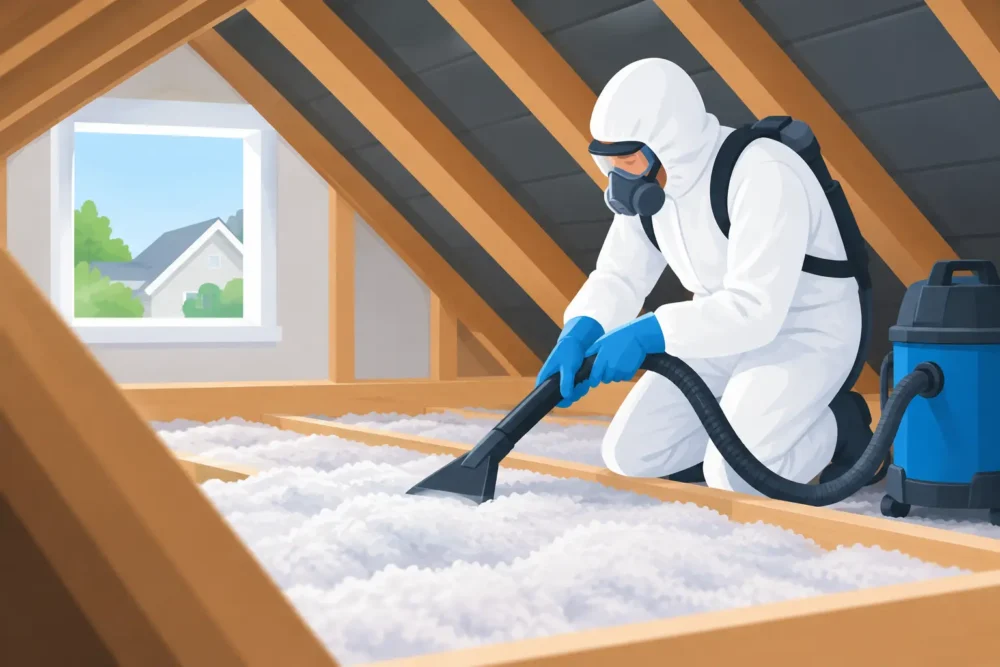
A bad attic problem rarely stays in the attic. Rodent waste, damp insulation, old nesting material, and air leaks can affect odors, indoor air quality, heating and cooling costs, and the comfort of rooms below. This homeowner guide to attic decontamination services explains what professional cleanup should address and how to make sure the underlying problem does not return.
Attic decontamination is not simply spraying a disinfectant or adding fresh insulation over a mess. A complete service identifies contamination, removes damaged materials safely, cleans affected areas, and corrects the conditions that allowed the issue to develop. For many homes, that means combining cleanup with rodent proofing, air sealing, insulation replacement, moisture control, or ventilation improvements.
What Attic Decontamination Services Typically Include
The right scope depends on what is in the attic and how long it has been there. An attic with a few isolated rodent droppings calls for a different approach than one with widespread urine contamination, compacted insulation, active pests, or water-damaged materials.
A professional inspection should begin with the source of the problem. Technicians look for evidence of rodents, damaged or contaminated insulation, roof or plumbing leaks, disconnected ducts, inadequate ventilation, and openings that allow outside air or pests into the home. Thermal imaging and a visual attic inspection can also help identify hidden air leaks and insulation gaps that contribute to comfort problems.
When contamination is present, service commonly includes controlled removal and disposal of affected insulation or debris, detailed cleaning of accessible surfaces, and sanitizing or disinfecting where appropriate. The work area should be handled carefully to limit the spread of dust and debris into living spaces. Eligible insulation materials may be recycled when conditions and local requirements allow, while contaminated material generally requires proper disposal.
After cleanup, the attic should be evaluated as part of the home’s overall thermal boundary. Air sealing penetrations around plumbing stacks, wiring, recessed fixtures, and attic hatches can reduce conditioned air loss. New insulation can then be installed to the recommended depth and R-value for the home and climate. This order matters: installing new insulation before sealing major gaps can leave the same energy-loss problem in place.
Signs Your Attic May Need Professional Cleanup
Homeowners often first notice the results of attic contamination rather than the contamination itself. A persistent musty or animal-like odor, especially near ceiling vents or after the HVAC system runs, is a common warning sign. So are unexplained allergy-like symptoms, stains on ceilings, scratching noises, or a sudden increase in heating and cooling bills.
Visible droppings, nesting material, chewed wiring, torn duct insulation, and compressed insulation are stronger indicators. Rodents can tunnel through loose-fill insulation and leave urine trails that are difficult to fully address with spot cleaning. If the insulation is heavily soiled or has absorbed odor, removal may be more effective than trying to treat it in place.
Moisture also changes the equation. Wet insulation loses performance, and repeated condensation or leaks can create conditions that support microbial growth. If you see dark staining, damp framing, or roof-deck discoloration, the moisture source must be corrected before new insulation goes in. Otherwise, even a careful cleanup can be temporary.
Why DIY Cleanup Can Create Bigger Problems
A homeowner can safely handle minor housekeeping tasks in an accessible attic, but widespread contamination is different. Disturbing droppings, nesting debris, or degraded insulation can send fine particles into the air. Walking on ceiling joists also presents a fall risk, and moving through an attic can damage wiring, ducts, or the ceiling below.
Do-it-yourself cleanup is especially risky when the attic may contain older materials that require specialized handling, extensive animal waste, active pests, or suspected mold. A contractor should not make assumptions about potentially hazardous materials. If the age or condition of a material raises concerns, appropriate evaluation should happen before removal work begins.
The practical advantage of a professional service is not just labor. It is the ability to connect cleanup with prevention. Removing soiled insulation without closing pest entry points, repairing a leak, or sealing air gaps can lead to another contaminated attic within a season.
The Right Order of Work Matters
A dependable attic decontamination plan follows a sequence. First, the cause is identified and controlled. For rodent activity, this can include locating and sealing entry points and addressing conditions that attract pests. For water damage, it may mean repairing a roof leak, plumbing leak, or ventilation issue.
Next, contaminated material is removed and the attic is cleaned. Depending on the condition of the space, this may include removing soiled insulation, vacuuming debris with appropriate equipment, and sanitizing affected surfaces. The goal is to reduce contamination and odors, not merely cover them up.
Finally, the attic is restored for performance. Air sealing comes before insulation because insulation slows heat transfer but does not stop air movement. A well-sealed attic floor helps keep conditioned air inside the home, while properly installed insulation helps stabilize indoor temperatures. Ventilation may also need attention, but it must be designed around the home’s specific roof and attic configuration. More ventilation is not automatically better if it creates moisture or air-flow problems elsewhere.
Questions to Ask Before Hiring an Attic Decontamination Company
An estimate should explain what the contractor found, what will be removed, and what will be done to prevent recurrence. Vague proposals that only say “sanitize attic” may not address insulation damage, pest access, or air leakage.
Ask whether the company handles insulation removal and replacement, air sealing, rodent proofing, and disposal as part of a coordinated plan. It is also reasonable to ask how technicians protect the home during work, whether they are licensed and insured, and what guarantee applies to the completed service.
Price matters, but scope matters more. A lower quote that skips source control or leaves contaminated insulation in place may cost less now and create another repair later. On the other hand, full insulation removal is not always necessary for a small, isolated issue. A thorough inspection should help you understand which approach fits your attic’s actual condition.
Protecting Comfort and Energy Efficiency After Cleanup
Once the attic is clean, treat it as a chance to improve the home rather than simply restore it. Old insulation may be thin, uneven, or compressed, particularly in older St. Louis-area homes that have seen years of seasonal temperature swings. Replacing it after air sealing can improve comfort in upstairs rooms, reduce drafts, and help the HVAC system operate with less strain.
Keep the attic hatch sealed and insulated, and avoid storing heavy items directly on loose-fill insulation. Check periodically for roof leaks, damaged vent screens, or signs of new pest activity. If utility bills rise unexpectedly or rooms begin to feel uneven again, an attic inspection can identify problems before they become a larger cleanup project.
For homeowners dealing with contaminated insulation, rodent activity, moisture, or lingering attic odors, Better Home Insulation can provide a free inspection and clear recommendation based on the condition of the home. The best next step is usually not guessing what is above the ceiling – it is finding the cause, fixing it correctly, and restoring the attic to a clean, efficient part of your home.