
A low attic insulation removal cost can look appealing at first glance, but the cheapest quote is not always the best value. If your attic insulation is old, damaged by rodents, wet from a roof leak, or packed down to the point that it no longer performs well, removal is often the first step before the attic can be properly sealed, cleaned, and re-insulated. The real question is not just what removal costs, but what is included and whether the work actually fixes the problem.
What affects attic insulation removal cost?
Attic insulation removal cost usually depends on the size of the attic, the type of insulation being removed, the condition of the material, and how difficult the space is to work in. A small attic with loose-fill insulation in relatively clean condition is a very different job from a large attic filled with contaminated insulation, droppings, nesting material, and debris.
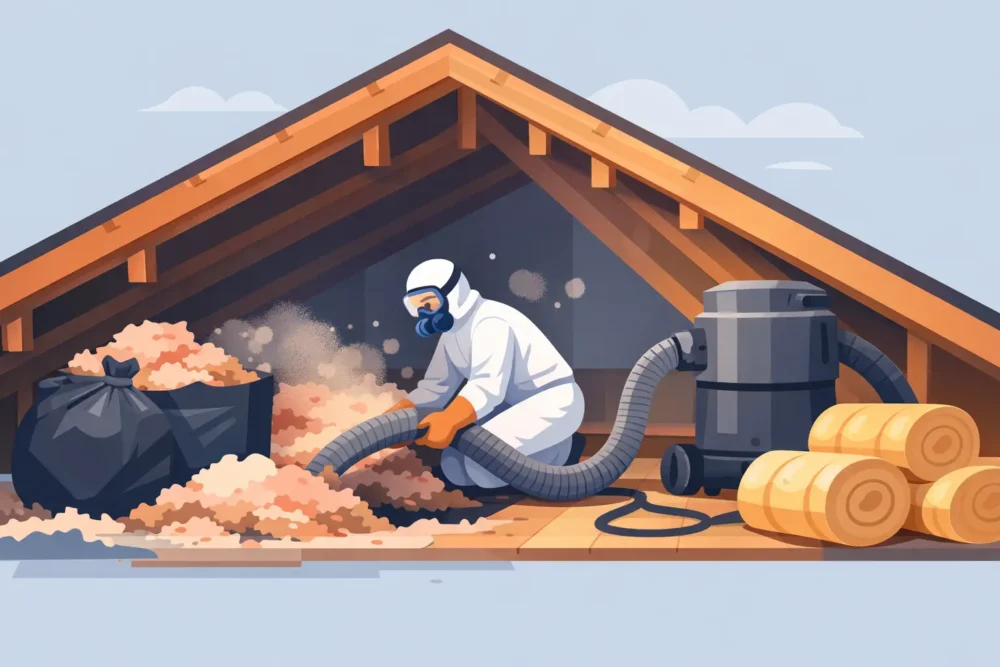
Loose-fill fiberglass or cellulose is often removed with commercial vacuum equipment and containment bags, which can make the process faster and more complete. Batt insulation can be more labor-intensive because it often has to be pulled by hand, especially when it is stapled in place, damp, torn, or layered over older material. If the attic has low clearance, tight access, exposed wiring obstacles, or limited walk paths, labor time goes up.
Contamination is one of the biggest cost drivers. If insulation has been exposed to rodent activity, strong odor, urine, droppings, or dead pests, removal becomes more than a basic cleanup job. In those cases, homeowners are paying for careful handling, disposal, and often sanitizing or disinfecting after the insulation comes out. That added work is usually worth it because leaving contaminated material behind can keep odors and air quality problems in the home.
Typical price ranges homeowners can expect
For many homes, attic insulation removal cost falls somewhere in the range of a few thousand dollars, but there is no honest one-size-fits-all number. Some straightforward projects may come in lower, while larger or heavily contaminated attics can climb well above the starting range.
Many contractors price the work by square foot, and that can be helpful for budgeting. Still, square-foot pricing only tells part of the story. Two attics with the same footprint can have very different removal costs if one has easy access and dry fiberglass while the other has compacted cellulose, pest contamination, and limited headroom.
That is why inspections matter. A written estimate based on photos, attic measurements, insulation type, and contamination level is far more useful than a broad online price guess. Homeowners in older homes around the St. Louis area often find that their attic issues are tied to more than just worn-out insulation. Air leaks, poor ventilation, and evidence of past moisture can all affect the scope.
When removal is worth the money
Not every attic needs insulation removed. In some cases, existing insulation can stay in place and be topped off after air sealing or minor corrections. If the insulation is dry, relatively clean, and still doing its job, full removal may be unnecessary.
Removal usually makes sense when the insulation is contaminated, water-damaged, badly compressed, mold-suspect, or so uneven that it no longer provides consistent coverage. It is also common before major attic air sealing, rodent proofing, or after a long-term pest problem. Trying to build on top of compromised insulation often means paying for new material without solving the underlying issue.
This is where homeowners can save money over time. Removing failed insulation and addressing the reason it failed can improve comfort, reduce heating and cooling waste, and prevent the same issue from returning. It is hard to get good results from new insulation if the attic still has bypasses, odors, hidden droppings, or active entry points.
What should be included in the price?
A professional quote should explain more than the removal itself. Homeowners should know whether the price includes setup, containment, bagging, disposal, equipment use, and basic site cleanup. If the attic insulation is contaminated, ask whether the estimate also includes sanitizing or disinfecting and whether any rodent-related debris will be removed.
It is also smart to ask what happens after removal. Some companies stop at extraction, while others can handle air sealing, insulation replacement, ventilation corrections, radiant barrier work, and rodent proofing as part of one coordinated project. That kind of full-service approach often prevents delays and finger-pointing between multiple contractors.
An estimate should also clarify whether recyclable material will be separated when possible and whether the crew is licensed and insured. For homeowners, transparency matters as much as the final number. A lower price can lose its appeal quickly if cleanup is incomplete or if important follow-up work gets left out.
Why labor and attic conditions matter so much
Attics are not simple workspaces. Some have narrow access hatches, low slopes, exposed nails, fragile drywall below, and uneven framing that makes safe movement difficult. Others are filled with HVAC lines, ductwork, junction boxes, and recessed lighting that slow the process down. These details have a direct effect on labor time and on attic insulation removal cost.
Temperature can also play a role. In hot months, attic work is physically demanding and may require crews to work carefully in shorter intervals. That does not always change the quote dramatically, but it helps explain why professional removal is a specialized service rather than a basic cleanup task.
Homeowners sometimes wonder whether they can save money by doing the work themselves. For a very small, clean area, maybe. But whole-attic removal is different. Disturbing old insulation can release dust, allergens, droppings, and fine particles into the air. Without the right equipment, containment, and disposal process, a DIY job can create a mess inside the house and expose the family to contaminants.
Removal cost versus replacement value
One of the most common mistakes is looking at attic insulation removal cost in isolation. Removal is rarely the finish line. It is usually part of a larger correction plan that may include air sealing, sanitation, new insulation, and attic ventilation improvements.
That can feel like a bigger investment upfront, but it is often the smarter way to spend. If you remove insulation but skip the air leaks, your new insulation may still underperform. If you replace insulation without dealing with rodent entry points, contamination can return. If moisture issues are left unresolved, fresh insulation can lose effectiveness early.
A good contractor will explain what needs to happen now, what can wait, and what has the biggest effect on comfort and energy use. That balanced advice matters because not every homeowner needs the most extensive package. The right plan depends on the condition of the attic and the goals for the home.
How to compare estimates without guessing
When reviewing quotes, look beyond the bottom-line price. Ask whether the contractor inspected the attic in person, documented contamination or damage, and explained the removal method. Find out if disposal fees are included and whether the estimate clearly separates removal from re-insulation or optional repairs.
It also helps to ask practical questions. Will the crew protect living areas during setup? Will they remove all compromised insulation or only the visibly damaged sections? Is the sanitation step included if rodent activity is present? These details affect both cost and final results.
For homeowners who want cleaner indoor air, lower utility bills, and fewer comfort issues, the best estimate is usually the one that solves the full attic problem rather than just vacuuming out the old material. Better Home Insulation takes that inspection-first approach because attic performance problems rarely come from a single cause.
A better way to think about attic insulation removal cost
Attic insulation removal cost is really about the condition of the attic, the health and comfort issues tied to that space, and the quality of the solution. If the insulation is simply old, your options may be straightforward. If the attic shows signs of pests, leaks, odor, dust, or major air leakage, the job needs to be handled more carefully and completely.
The most helpful next step is not chasing an average price online. It is getting a professional attic inspection and a clear estimate based on what is actually happening above your ceiling. When the work is done right, removal creates a clean starting point for better insulation, better efficiency, and a healthier home overall.
If your attic has become a source of rising energy bills, uneven temperatures, or contamination concerns, a well-planned removal project can be the reset that finally makes the rest of your home feel right again.