
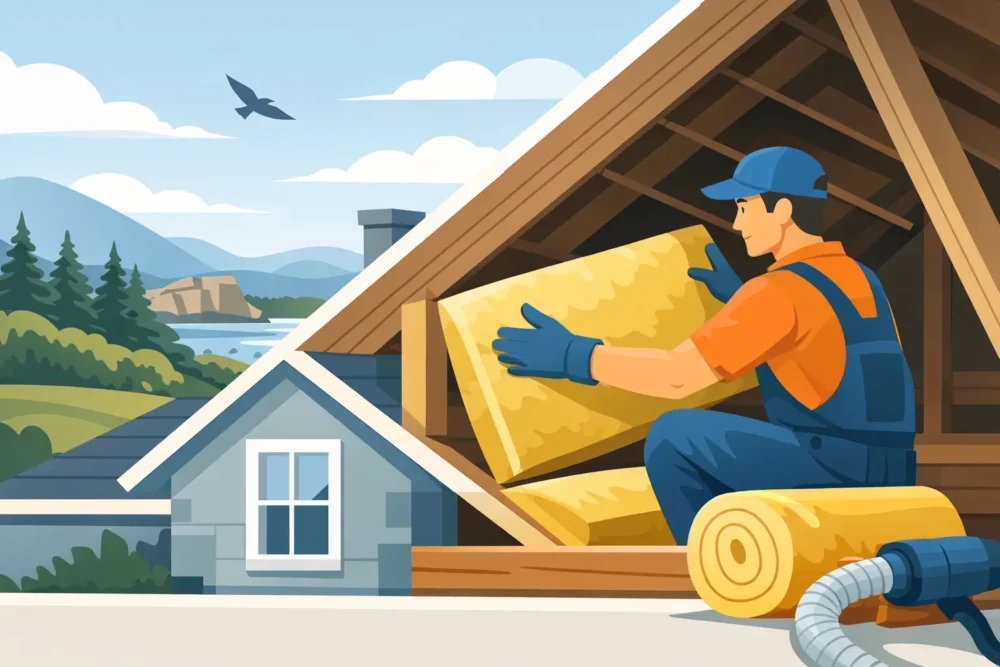
A second-floor bedroom that stays warm long after the thermostat drops is not just an annoyance. It is often a sign that conditioned air is escaping, attic heat is moving into the living space, or insulation is no longer doing its job. A home insulation contractor Wildwood MO homeowners choose should look beyond adding material and identify why the house feels uncomfortable in the first place.
Wildwood homes experience humid summers, cold winter stretches, and major temperature swings in between. Those conditions expose weak points in attics, exterior walls, crawl spaces, and duct openings. The right improvements can make rooms more consistent, reduce strain on heating and cooling equipment, and help lower unnecessary utility costs.
Insulation Works Best When the Whole System Is Considered
Insulation slows heat transfer. In summer, it helps keep outdoor heat from entering the home. In winter, it helps retain indoor heat. Its effectiveness is measured in R-value, which describes resistance to heat flow. A higher R-value generally provides more resistance, but more insulation is not automatically the complete answer.
Air movement can undermine even a well-insulated attic. Small openings around plumbing stacks, recessed fixtures, wiring penetrations, attic hatches, and top plates allow conditioned air to escape. Warm, moist indoor air can also enter the attic during winter, where it may contribute to moisture problems over time.
That is why a professional assessment should consider insulation, air sealing, ventilation, moisture, and the condition of the existing materials together. A homeowner may need one service, such as targeted attic air sealing, or a combination of improvements. The recommendation should follow the home’s actual conditions rather than a one-size-fits-all package.
Signs Your Home May Need Professional Attention
High energy bills are a common reason to call an insulation company, but comfort concerns often appear first. You might notice that upstairs rooms are harder to cool, floors feel cold over a crawl space, or certain rooms are always several degrees different from the rest of the home.
Other signs deserve a closer look as well. Drafts near ceiling fixtures or exterior walls can point to air leakage. A musty odor, damaged floor insulation, or condensation in a crawl space may indicate moisture exposure. Rodent droppings, nesting material, or disturbed insulation can create sanitation concerns in addition to reducing insulation performance.
A visual inspection alone does not always reveal the full issue. Thermal imaging can help identify unusual temperature patterns behind finished surfaces and around ceiling areas. It does not replace a physical inspection, but it can help a technician focus on likely trouble spots and explain the findings clearly.
Aging or Contaminated Insulation Changes the Scope of Work
Existing insulation is not always suitable to leave in place. Material that is wet, compacted, heavily contaminated by rodents, or affected by persistent moisture may no longer provide the protection it once did. Covering a problem with new insulation can leave odors, contamination, air leaks, or moisture sources unaddressed.
In those cases, removal and proper disposal may be the better first step. Once the attic or crawl space is clear, a contractor can inspect the structure, seal accessible gaps, address pest entry points, and install new insulation in a cleaner environment. Eligible removed materials may also be recycled when appropriate.
What a Home Insulation Contractor in Wildwood MO Should Evaluate
A useful inspection starts with the homeowner’s experience. Which rooms are uncomfortable? When does the problem occur? Has the utility bill changed? Have there been roof leaks, pest activity, or crawl space moisture? Those answers provide context before anyone recommends work.
From there, the inspection should examine the areas most likely to affect home performance. In many homes, that includes the attic floor, attic access, duct penetrations, ventilation pathways, crawl space walls or floors, and visible wall or ceiling insulation. The contractor should also look for signs of settling, gaps, compressed material, staining, and air bypasses.
A trustworthy recommendation distinguishes between urgent corrective work and improvements that are optional. For example, an active moisture issue should be addressed before new insulation is installed. On the other hand, a home with dry, clean insulation that is simply below the desired level may only need air sealing and additional insulation.
Homeowners should receive an estimate that explains the proposed work in plain language. You should know what areas will be treated, whether old insulation will be removed, how the work area will be protected, and what results are reasonably expected. No contractor can promise an identical utility-bill reduction for every home because weather, thermostat settings, equipment condition, and household habits all matter. They can, however, explain how the work addresses documented sources of heat loss and air leakage.
Choosing the Right Improvements for Your Home
Attic insulation is often one of the most effective places to begin because heat rises and attics can contain numerous gaps to the living space below. Properly installed attic insulation helps moderate indoor temperatures, while air sealing beneath it limits the movement of conditioned air into the attic.
Crawl spaces require a different approach. Insulation under the floor may help in some homes, but moisture conditions, access, and the crawl space design matter. A vapor barrier can help limit ground moisture, while targeted insulation and air sealing can improve comfort above. If the space has rodent activity or damaged insulation, removal and sanitizing may be necessary before restoration work begins.
Wall and ceiling insulation can be valuable when rooms remain uncomfortable after attic and crawl space issues are addressed. However, wall work can be more involved than attic work, so the decision should be based on the home’s construction and confirmed performance concerns. A careful inspection prevents spending money in the wrong place.
Ventilation is another area where homeowners benefit from professional guidance. An attic needs appropriate airflow to manage heat and moisture, but ventilation is not a substitute for air sealing. Adding vents without addressing leaks between the house and attic can fail to solve the underlying comfort issue.
Why Full-Service Work Matters
Insulation problems rarely arrive alone. A homeowner may call about a cold room and discover air leaks around attic penetrations. Another may find that rodent-damaged insulation, uncovered crawl space soil, and moisture are all contributing to odors and poor indoor conditions.
Working with one qualified provider for inspection, removal, air sealing, insulation, vapor barriers, ventilation improvements, rodent proofing, and sanitizing can simplify the process. It also helps ensure that one step does not interfere with another. For instance, there is little value in installing fresh attic insulation before sealing accessible leaks or correcting a known pest entry point.
Better Home Insulation approaches these projects as home performance work, not just material installation. Licensed and insured technicians can assess the conditions, provide a free inspection and estimate, and recommend a practical path based on the home rather than a generic sales pitch. The goal is straightforward: a cleaner, more comfortable home with less wasted energy.
Preparing for Your Inspection
Before an inspection, make a short note of the comfort issues you notice and where they occur. Include seasonal patterns, such as an upstairs room that becomes difficult to cool in July or a living room floor that feels cold in January. If you have recent utility bills available, they can also provide useful context.
Make sure the attic or crawl space access is available if possible, and mention any known roof leaks, plumbing issues, pest activity, or prior insulation work. These details help the inspection move efficiently and reduce the chance that a hidden issue is missed.
The best next step is not to guess at a material or R-value from across the room. Schedule an inspection, ask questions about what is found, and choose improvements that solve the conditions inside your specific home. A well-planned insulation project should leave you feeling the difference where it matters most: in the rooms where your family lives every day.