
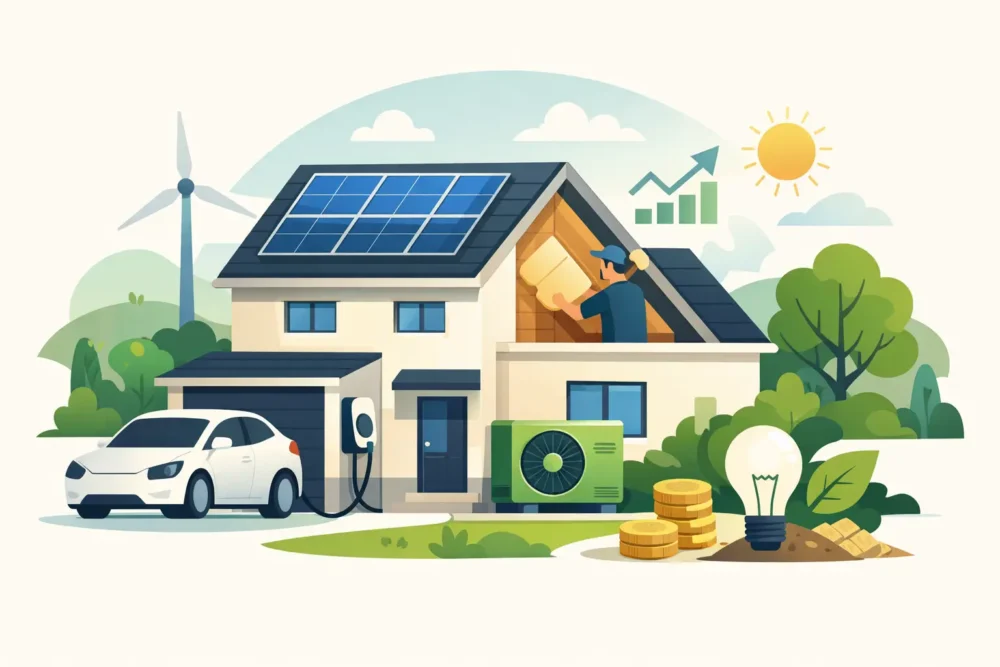
A room that is too cold in January and stuffy by July is rarely a simple thermostat problem. It is often a sign that conditioned air is escaping, outdoor air is entering, or insulation is no longer doing its job. The most effective energy efficient home upgrades address those hidden issues first, helping your heating and cooling system maintain comfort without working overtime.
For homeowners in the St. Louis area, that matters through humid summers, cold winters, and the wide temperature swings between them. The right upgrades can reduce utility waste, improve indoor comfort, and help protect the home from moisture, pests, and air-quality concerns. The best starting point is not always the most visible project.
Start With the Building Envelope
Your home’s building envelope is the boundary between your conditioned living space and the outdoors. It includes the attic, exterior walls, crawl space or basement, windows, doors, and the small gaps around pipes, wiring, vents, and framing. When this boundary has leaks or weak insulation, expensive heated or cooled air finds its way out.
Many homeowners begin with a new HVAC system, replacement windows, or a smart thermostat. Those can be worthwhile improvements, but they cannot fully overcome major air leaks or missing attic insulation. If the home envelope is weak, a larger or newer system may still run longer than necessary while rooms remain uneven.
A professional inspection helps identify the actual source of energy loss. Thermal imaging can reveal cold or hot areas behind finished surfaces, while an attic or crawl space inspection may uncover compressed insulation, open penetrations, rodent damage, moisture, or ventilation issues that are not visible from inside the home.
Air Sealing Is Often the Highest-Value Upgrade
Air sealing closes the small openings that allow outdoor air into the home and conditioned air out. These gaps are easy to underestimate because they are often hidden in the attic, behind kneewalls, around recessed fixtures, near plumbing stacks, and at the connection between framing and exterior walls.
In an attic, warm indoor air rises during the heating season and escapes through openings in the ceiling plane. That loss can pull cold outside air into lower levels of the house. During summer, attic heat and humid air can make upper rooms harder to cool. Sealing first makes insulation more effective because it stops moving air from bypassing the insulating material.
Air sealing is not about making a house unable to breathe. A home needs appropriate ventilation, especially where fuel-burning appliances, bathrooms, kitchens, and moisture-producing activities are involved. The goal is to control where air moves, rather than allowing uncontrolled leakage through the attic and other cavities.
Signs Your Home May Need Air Sealing
Drafts around interior outlets, dust collecting near ceiling edges, rooms that never match the thermostat setting, and unusually high seasonal bills can all point to air leakage. In some homes, homeowners also notice insulation shifting or darkened areas where air has moved through it over time.
Because the most important leaks are frequently concealed, this is a project where diagnosis matters. Sealing the obvious gap around a door helps, but it will not solve a large attic bypass above a bathroom or a gap around a chimney chase.
Upgrade Attic Insulation After Sealing
Attic insulation is one of the most practical energy upgrades for an existing home. Heat naturally moves toward cooler areas. In winter, it moves from the heated living space toward a cold attic. In summer, attic heat transfers downward toward air-conditioned rooms. Adequate insulation slows that transfer and helps the home hold a steadier temperature.
R-value measures an insulation material’s resistance to heat flow. A higher R-value generally means better resistance, but the right target depends on the home’s design, existing insulation, climate, and the condition of the attic. Simply adding more material is not always the right answer. Old insulation may be wet, compacted, contaminated, or damaged by rodents, and covering those problems can make future remediation harder.
Attic insulation removal may be appropriate when existing material has been contaminated by pests, affected by moisture, or heavily soiled. Once the space is cleaned and properly air sealed, new insulation can be installed to create a more reliable thermal barrier. Eligible removed materials may also be recycled rather than sent directly to a landfill.
Radiant barrier work can be another consideration in suitable attic assemblies, particularly where summer attic heat is a major concern. It works differently than traditional insulation, so it should be treated as a complement to proper air sealing and insulation, not a substitute for either.
Do Not Ignore the Crawl Space
A damp, uninsulated crawl space can affect the entire house above it. Floors may feel cold, indoor humidity can rise, and musty odors may travel into living areas through gaps around plumbing and framing. Moisture also creates conditions that can damage insulation, encourage mold growth, and attract pests.
Crawl space insulation and vapor barriers serve different purposes. Insulation slows heat loss through floors or walls, while a vapor barrier limits moisture moving up from the ground. The correct approach depends on whether the crawl space is vented, how it is connected to the rest of the house, local conditions, and whether there is an existing moisture problem.
If insulation in the crawl space has fallen, become wet, or been damaged by rodents, removal and sanitation may be needed before installing new material. A clean, dry crawl space supports better comfort and protects the durability of the upgrade.
Address Ventilation, Moisture, and Pests Together
Energy efficiency is not just about keeping heat in or out. It is about keeping the home dry, clean, and properly ventilated. An attic with inadequate ventilation can trap heat and moisture. A crawl space with exposed soil can add moisture to the structure. Rodents can tear insulation apart, leave contamination behind, and create new openings for air leakage.
These issues overlap, which is why a one-size-fits-all insulation quote can miss the real problem. For example, adding attic insulation without correcting an active roof leak risks damaging the new material. Sealing entry points without removing contaminated insulation may leave odor and sanitation issues unresolved. Improving one part of the home while ignoring the cause of the problem can limit the return on the work.
A complete recommendation may include air sealing, insulation replacement, vapor barrier installation, ventilation improvements, rodent proofing, and sanitizing. Not every home needs every service, but they should be evaluated together when conditions warrant it.
Consider Windows and HVAC in the Right Order
Windows and HVAC equipment are significant investments, and both may be necessary when they are failing, inefficient, or near the end of their useful life. However, they should be planned with the home envelope in mind.
Older windows can contribute to drafts and heat gain, especially if frames are deteriorated or seals have failed. Yet window replacement is often more expensive per unit of energy saved than attic air sealing and insulation. If the attic is underinsulated or the crawl space is wet and open to outdoor air, those projects often deserve attention first.
The same logic applies to HVAC. After air sealing and insulation improvements, the home’s heating and cooling load may be lower. That can influence the size and performance needs of future equipment. An HVAC professional should calculate the load instead of selecting equipment based only on the size of the old system.
Choose Upgrades Based on Evidence, Not Guesswork
The most reliable path is a whole-home evaluation that looks beyond a single symptom. A cold upstairs bedroom might be caused by thin attic insulation, but it could also involve air leaks, duct issues, poor ventilation, or inadequate return-air pathways. A high summer bill may stem from attic heat, but moisture, solar exposure, and HVAC condition can also play a role.
When reviewing recommendations, ask what condition was found, how the proposed work addresses it, and whether related moisture or pest concerns need to be corrected first. A clear explanation should connect the work to practical outcomes: fewer drafts, steadier room temperatures, lower heating and cooling demand, and a healthier home environment.
Better Home Insulation provides inspection-led recommendations for homeowners who want to address insulation, air leakage, crawl space conditions, and contamination as connected home-performance issues. Licensed and insured technicians, free inspections and estimates, and a 100% satisfaction guarantee help make the process straightforward.
The upgrade that pays off most is the one that solves the problem your house actually has. Before spending on the next visible improvement, have the attic, crawl space, and hidden air pathways evaluated. A more comfortable home often starts in the places you rarely see.